

If you play at online casinos in the UK, you understand that handling your time and security is part of it betgg.eu. I’ve dedicated a lot of time on numerous gaming sites, and I not long ago decided to scrutinize how GGBet Casino manages session timeouts. While everyone mentions welcome bonuses and game libraries, these automatic logout features are the quiet workhorses of account safety and responsible play. I aimed to see how they operate in practice. This is my in-depth analysis at GGBet’s system—what activates a logout, what you can adjust, and how it all comes across when you’re actually playing. I’ll guide you through what I discovered, how it affects different types of games, and the simple steps you can follow to make your experience both safer and less interrupted.
Grasping Session Timeouts and Why They Matter
A session timeout is a straightforward idea. If you don’t interact with the site for a while, it signs you out of your account. For a casino like GGBet, this does a few vital jobs. It’s your first line of defence if you move away from your computer in a café or at home without logging out. It blocks anyone else from getting to your account or your money. The UK Gambling Commission mandates operators to incorporate these types of player protections, and a timeout acts as a built-in reminder to take a break. For you, the player, it offers security but can also be a nuisance. Getting logged out in the middle of organizing a complex bet or while anticipating your turn at a live blackjack table is frustrating. Getting this balance right is why the timeout isn’t just a technical box to tick, but a core part of how a secure casino should operate.
Standard Timeout Behaviour at GGBet Casino
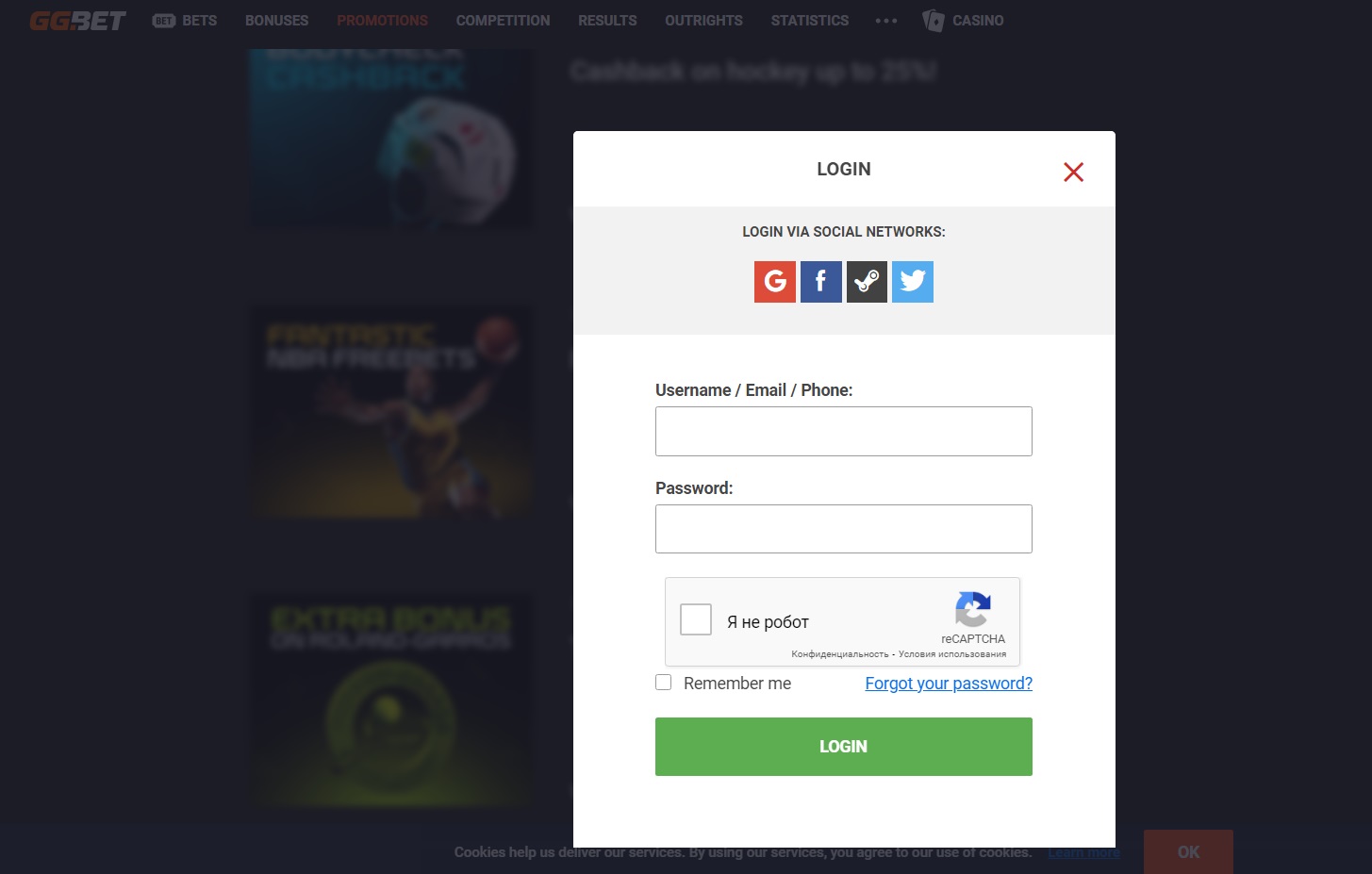
When you initially sign up and start playing at GGBet, the site has a preset timeout already in place. From my own testing, it triggers after about 10 to 15 minutes of you doing nothing at all. ‘Inactivity’ here means exactly that: no mouse moves, no key presses, no clicks. Having a game open on your screen doesn’t count. The site doesn’t usually give you a pop-up warning. One minute you’re there, the next your session has ended. When you try to place a bet or click on anything, you’ll find yourself looking at the login page again. This 10-15 minute window is pretty common across UK licensed casinos. It’s a reasonable compromise. You have enough time to go answer the door or make a quick drink without being booted off, but it’s short enough to limit the danger if you forget your laptop is still logged in somewhere you shouldn’t.
The Effect on Assorted Kinds of Gameplay
That fixed 10-15 minute clock influences what you’re doing in diverse ways. If you’re playing slots reels or engaging in instant-win games, you’re always clicking, so the timeout rarely happens. It’s a distinct story for games that require more thought. If you’re playing poker or blackjack and pausing to consider a decision, the clock is still ticking in the background. The greatest impact, I found, is on sports betting. Creating a multi-leg accumulator or analyzing horse racing form requires a lot of reading and thinking, not continuous clicking. You can be engrossed in stats and unexpectedly get logged out, forfeiting that meticulously built bet slip. Because of this, you need to change your habits. Make a point of tapping the screen from time to time during your research, or employ the ‘save bet’ function consistently to avoid misplacing your work.
Steps to Find and Change Your Login Settings
GGBet doesn’t hide its security settings, but you won’t see a button labelled «session timeout» either. To access the controls that affect your login session, you need to go into your account settings. Login, then tap on your profile name or icon in the top right corner of the screen. Pick ‘Settings’ or ‘Account Settings’ from the menu that appears. Look for the sections on security and privacy. During my review, I didn’t spot a specific slider to configure your own timeout length. What you will find are related tools, like the ability to check what devices are connected to your account and to activate two-factor authentication (2FA). These features function with the basic timeout to offer you more control over your account’s safety. The layout is clear enough if you’re used to online accounts, though I believe players would welcome a direct way to define their own timeout duration in a future update.
Top Tips for Managing Your Session
To get the optimal mix of safety and smooth play on GGBet, UK players should establish a few practices into their schedule. The objective is to function with the site’s setup, not struggle against it. If you follow this, the timeout becomes something you scarcely observe.
- Develop a routine of manually logging out when you end playing, especially on a shared computer. Do not just close the browser window.
- Turn on Two-Factor Authentication (2FA) in your account security settings. It’s the absolute best improvement you can perform to your account’s protection.
- When you’re analyzing bets or thinking through a game strategy, intentionally interact with the page every 8 or 9 minutes. A single click anywhere is adequate.
- Inspect the list of devices connected to your account in the settings every so often. Delete any old phones or laptops you do not use anymore.
Contrasting GGBet’s Method to Competing UK Casinos
Comparing GGBet’s platform up against competing UK casinos reveals it’s firmly in the mainstream. Most licensed operators employ a similar automatic logout, commonly set between 10 and 20 minutes. The difference comes with flexibility. A handful of other sites allow you pick your own timeout length from a menu in your account options—say, 5, 15, or 30 minutes. GGBet fails to offer that option right now. Their approach is uniform for each player. This indicates it’s comparatively flexible than certain, but it also ensures a uniform level of protection across all player accounts. Where GGBet excels is in keeping its broader security tools, like 2FA and device administration, simple to locate and utilize. On that frontier, it’s as effective as or more advanced than many peers. So although you cannot tweak the countdown, you’re obtaining a policy that’s safe, adherent, and common for a reputable operator here.
Protection Perks of a Strong Timeout Policy
The safety benefit of GGBet’s approach is strong. At home, it stops a relative or a guest from inadvertently stumbling onto your open account. If you’re in a shared space, it’s a crucial barrier. The automatic logout makes sure your private information, your deposit methods, and your payment record aren’t just sitting there for anyone to see. It also layers well with other safety protocols. If you have two-factor authentication switched on, a timeout means a would-be hacker would need your password and access to your phone or email to get back in. That’s a effective barrier. For UK players, who are accustomed to strict consumer protection rules, this sort of layered security is confidence-inspiring. It demonstrates GGBet approaches the protection of your account responsibly, handling it more like a bank login than just a entry point to games.
Possible Issues and How to Avoid Them
Naturally, the security comes with some real annoyances. Missing a saved wager is the main issue. Being removed from a live dealer table means you have to log back in and hope your seat is still free. You can work around these issues with a few easy practices. Firstly, during long thinking periods, get into the routine of jiggling the mouse or clicking the screen every few minutes. Secondly, don’t assume your bet slip is secure—use the save function every single time. Third, store your login credentials in a password manager so logging back in is easy. Some players even use a quiet timer on their phone for 12 minutes as a reminder to engage with the page. These little habits efficiently counter the main disadvantage of the timeout, enabling you to stay active without reducing the protection it gives.
Main Points for UK Players
What’s the bottom line regarding GGBet’s session timeouts? The platform relies on a typical, security-led system. You are automatically logged out after 10-15 minutes of inactivity, and you cannot modify that time yourself. This policy is a compromise. It gives you essential protection for your money and your personal information, which matches what the UK Gambling Commission demands. But it can also interrupt your concentration during a relaxed game or while you’re constructing a bet. That means you have to adapt. Get used to clicking the page a periodic tap. Always save your bet slips. These small actions fix most of the trouble. In the end, GGBet has chosen to focus on a safe baseline for every player. That decision might be annoying once in a while, but it stems from a prudent stance on player protection that’s valuable.
Frequently Asked Questions
How long is the GGBet session timeout for inactivity?
According to my tests, GGBet Casino signs you out after roughly 10 to 15 minutes of full inactivity. That means no mouse activity, typing, or clicking on the site. There is no option in your account to modify this duration, so this period is set for everyone at the moment.
Do I lose my bet slip if I get timed out?

Yes, you most likely will if you didn’t save it. Any not saved bet slip on the sportsbook typically vanishes when the timeout occurs. To avoid this, utilize the ‘Save Bet’ function on the betting slip while you assemble it. For casino games, you’ll simply be signed out of the game itself. You can reconnect and reload the game, but slots won’t remember where you left off.
Is it possible to change or turn off the automatic logout on GGBet?
No, you can’t. You cannot turn it off or extend it. This is a compulsory feature for protection and regulated gambling. The settings page doesn’t include an choice to adjust the timer. Your best bet is to keep your session lively with minor, consistent actions during long periods of play or research.
Is the timeout the same the same on the mobile app?
It does. The same rule is in effect on the GGBet mobile app. After 10-15 minutes without interacting with the app, you’ll be logged out. You might notice it more on mobile, because if you open another app and go back later, you’ll frequently need to enter your password again even if you weren’t gone that long.
Comentarios recientes